The Corporate Event AV Checklist: How to Plan a Flawless Event in Boston

A great corporate event and a stressful one usually come down to the same thing: how well the AV was planned. Whether you’re running a town hall, a product launch, or an all-day conference in Boston, here’s the checklist that separates a smooth show from a scramble.

Start the AV Conversation Early

Eventbrite’s corporate event planning checklist and Bizzabo’s guide to enterprise event planning both agree on this: the biggest planning mistakes happen when AV gets looped in late. For larger corporate events, production partners are typically booked four to six months out, and AV planning specifically should start at least 12 weeks before the event — well before invitations go out, not after.

Budget for AV as Its Own Line Item

As a rule of thumb, AV and technology typically account for 10 to 15% of a total event budget, with catering usually taking the largest share and 15 to 20% held back as contingency. Treating AV as an afterthought squeezed into whatever’s left over is one of the fastest ways to end up with underpowered sound, unreliable Wi-Fi, or a streaming setup that can’t handle the room.

Rehearse Everything, Test Every Laptop

The single highest-leverage step in event planning is also the most skipped: a full AV rehearsal at the actual venue, with every presentation collected and tested in advance rather than relying on speakers to plug in their own laptops live. Pre-event audio and technical planning is credited with preventing the vast majority of common technical failures during corporate events — the fixes are rarely dramatic, they just have to happen before doors open, not during the keynote.

Staff for the Size of the Room, Not Just the Headcount

A simple staffing benchmark: roughly one AV technician per 50 to 100 attendees for a straightforward event, and closer to one per 25 to 50 for anything with multiple breakout rooms or a more complex production. Building in 15 to 20% more staffing than the bare minimum gives you a buffer for the inevitable last-minute equipment swap or schedule change.

Bring In a Boston AV Partner Who’s Done This Before

None of this has to be figured out from scratch. ZenjMedia provides full corporate event AV support across the Boston area, along with audio-visual installation for organizations that want permanent, reliable AV in their own space rather than renting for every event.

Planning a corporate event in the Boston area? Request a free AV quote and we’ll help you build a production plan built around your venue, your budget, and your timeline.
Conference Room Technology in 2026: What Boston Businesses Need to Know About Zoom Rooms and Teams Rooms

Hybrid work is no longer a temporary arrangement — it’s how most Boston offices operate day to day. That permanence is reshaping what companies expect from their conference rooms, and 2026 is bringing a clear shift in the technology behind Microsoft Teams Rooms and Zoom Rooms deployments.

Meeting Equity Is the New Baseline

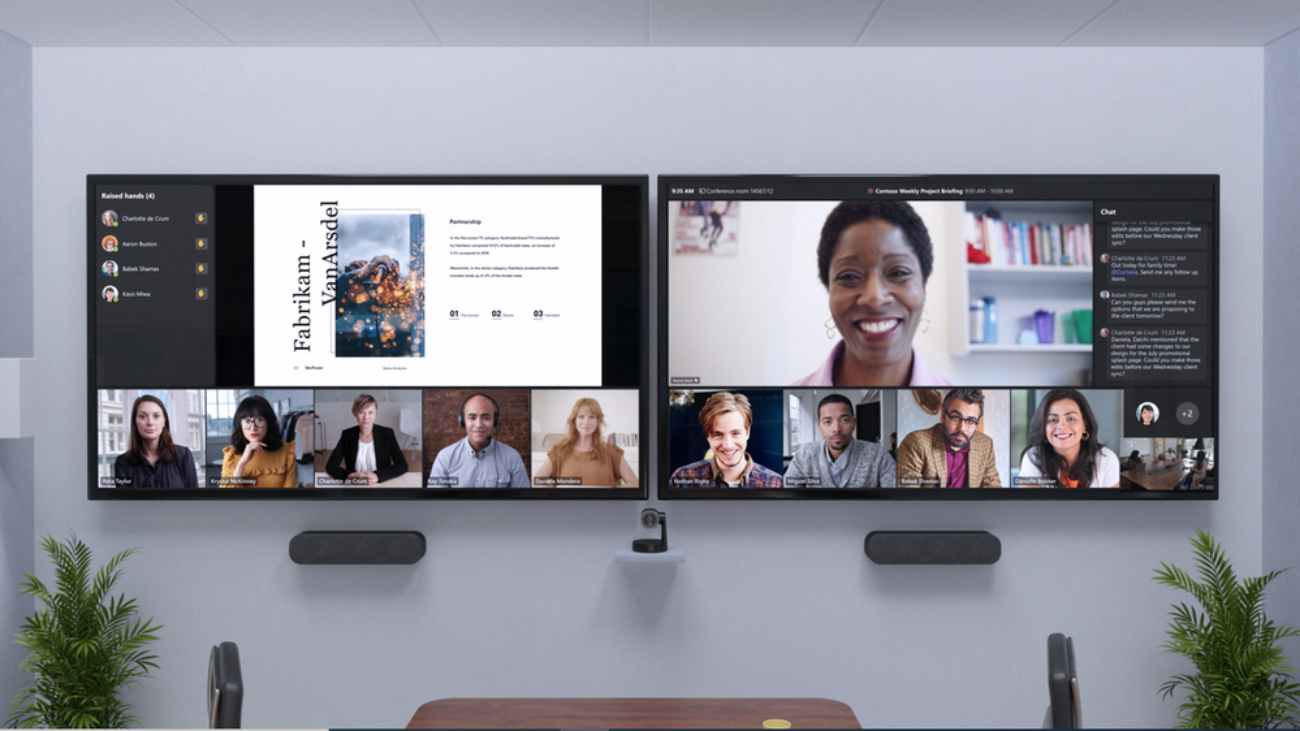
According to UC Today’s 2026 hybrid meeting room technology guide, the leading Tier 1 meeting room ecosystems remain Microsoft Teams Rooms for organizations built around the Microsoft stack, and Zoom Rooms for businesses that prioritize simplicity and a strong room experience. Both platforms now ship with auto-framing cameras that track whoever is speaking, so remote participants get a genuinely equitable view of the room instead of a static wide shot of an empty table.

That “meeting equity” goal — making sure remote attendees aren’t a second-class audience — is the organizing idea behind most of this year’s conference room upgrades.

AI Assistance Is Now Expected, Not Optional

Automatic recaps, live transcription, and AI-assisted camera framing have moved from premium add-ons to baseline expectations. Cisco’s Webex guide to conference room technology outlines how modern room systems now lean on AI to handle the administrative overhead of a meeting — framing, transcribing, summarizing — so attendees can focus on the conversation instead of managing the tech.

Smaller Rooms, Smarter Deployments

One of the more practical shifts for 2026: since most meetings only involve one or two people in the physical room, many organizations are converting oversized conference rooms into several smaller, well-equipped focus rooms and huddle spaces instead. It’s a more efficient use of real estate, and it usually costs less per room to outfit than a single large conference room built for a crowd that rarely shows up.

The flip side is technical difficulty: a poorly configured room costs real time. Industry surveys consistently point to lost meeting time as one of the top frustrations hybrid workers report, which is exactly why standardized, professionally installed room systems matter more as companies scale up their number of rooms.

What This Means for Your Boston Office

Whether you’re outfitting one boardroom or standardizing rooms across multiple floors, the fundamentals for 2026 are the same: pick a platform that matches how your team actually works, install cameras and audio that give remote attendees a fair seat at the table, and get it configured by people who do this daily. ZenjMedia installs and supports both Microsoft Teams Rooms and Zoom Rooms across the Boston area, backed by ongoing AV managed services so your rooms keep working long after installation day.

Ready to modernize your conference rooms? Request a free quote and we’ll help you pick the right setup for how your team meets.

Hybrid Event AV Trends Shaping 2026 (And What They Mean for Your Next Event)

Hybrid events have moved from pandemic-era workaround to permanent fixture on the corporate calendar. Boston companies planning conferences, town halls, and product launches in 2026 are no longer asking whether to offer a hybrid option — they’re asking how to do it well. Here’s what’s shaping hybrid event AV this year, and what it means for your next event.

Hybrid Budgets Keep Growing

The virtual and hybrid events market has continued its rapid climb, with hybrid formats now growing faster than fully virtual ones. Industry research from Verbit’s 2026 event technology trends report found that a large majority of enterprise event planners plan to keep offering hybrid options for their major conferences and internal events through 2026, with roughly a third of overall event budgets now going toward the virtual and hybrid components of an event rather than treating them as an afterthought.

That shift matters for planning: AV, streaming, and remote-engagement tools are no longer a bolt-on to the in-room experience. They need their own line item, their own rehearsal time, and their own dedicated crew.

AI-Powered Production and Managed AV Services

According to Cadmium’s event technology trends analysis, the biggest shifts in event AV this year include AI-assisted production workflows, a growing reliance on managed AV services rather than one-off equipment rentals, and cloud-based AV management that lets teams monitor and adjust a show remotely. For Boston organizations without an in-house AV department, that trend toward managed services is good news: it means professional-grade production is more accessible than ever, without the overhead of owning and maintaining the gear yourself.

Attendees Still Want the Room to Feel Like a Room

Even as hybrid tools mature, attendees haven’t lost their appetite for genuine in-person moments. Surveys cited in the same research show that the large majority of attendees want a balance between technology and in-person experience — not a fully digital substitute for it. On the streaming side, well-produced multi-camera streams hold attention for 20 to 35 minutes on average, compared to just a few minutes for a static, single-camera feed. Production quality isn’t a nice-to-have; it’s the difference between a remote audience that stays engaged and one that tunes out.

What This Means for Your Next Boston Event

For event planners in and around Boston, the practical takeaway is straightforward: budget for hybrid as its own discipline, lean on experienced AV partners rather than piecing together consumer-grade gear, and invest in production quality for anyone joining remotely. That’s exactly where ZenjMedia comes in — from full hybrid event production to dedicated live streaming services and broader event AV support across the Boston area.

Planning a hybrid event for 2026? Request a free AV quote and we’ll help you build a production plan that keeps both your in-room and remote audiences engaged.

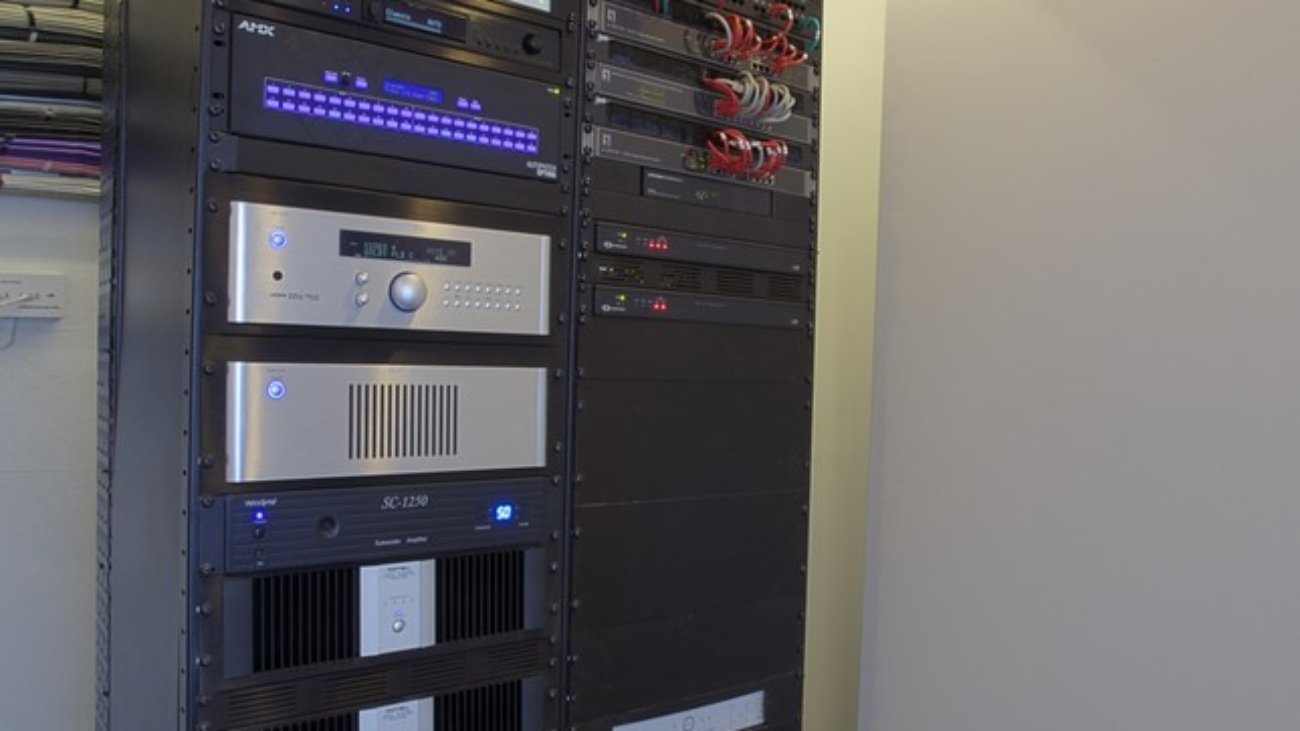
Audio Visual Rack System

Audio Visual Conference Room Systems: What Goes In One

Choosing a local audio-visual integration company for your conference rooms is a strategic decision that offers numerous benefits, particularly in enhancing the overall functionality and experience of your meeting spaces. Here are several reasons why partnering with a local provider is important:

1. Expertise in Local Needs

Local AV companies have a deep understanding of the specific requirements and preferences of businesses in the area. They are familiar with regional trends, industry standards, and the unique challenges that local organizations face, allowing them to tailor solutions that effectively meet those needs.

2. Personalized Service

Working with a local company often means receiving more personalized attention. Local providers typically prioritize building relationships with their clients, leading to better communication and a more collaborative approach to project management. This personal touch ensures that your specific goals and preferences are considered throughout the integration process.

3. Quick Response Times

Local companies can offer faster response times for installation, maintenance, and support. Should any technical issues arise, a nearby provider can quickly address them, minimizing downtime and ensuring your conference rooms remain fully operational.

4. Understanding of Local Venues

Local AV integrators have experience working with the unique characteristics of various venues in your area. They know how to optimize sound and visuals for different room sizes and layouts, ensuring that your AV setup is effective and efficient.

5. Support for Local Economy

By choosing a local company, you contribute to the economic development of your community. Supporting local businesses fosters job growth and helps sustain the local economy, creating a positive impact beyond just your organization.

6. Tailored Training and Support

Local AV companies can provide customized training for your staff, ensuring that they are comfortable and proficient in using the installed equipment. Ongoing local support can also make it easier for your team to seek help and advice as needed.

7. Strong Vendor Relationships

Local integrators often have established relationships with regional equipment vendors and manufacturers. This can lead to better pricing, exclusive deals, and access to the latest technology, ensuring you get the best value for your investment.

In summary, utilizing a local audio-visual integration company for your conference rooms enhances your organization’s operational efficiency, provides tailored solutions, and fosters a strong connection with your community. This approach not only optimizes your meeting spaces but also contributes positively to the local economy.

Please connect with us for your next conference rooms project by clicking here

You can also learn more about Audio Visual technology through AVIXA

Zenjmedia-Teams rooms

Benefits of Using Microsoft Teams Rooms

Using Microsoft Teams Rooms offers several advantages that enhance collaboration and streamline communication in hybrid work environments:

  1. Seamless Integration: Microsoft Teams Rooms integrates effortlessly with Microsoft 365, allowing users to schedule and join meetings directly from their calendars.
  2. High-Quality Audio and Video: Equipped with advanced audio and video technology, Teams Rooms ensure clear communication and a more immersive meeting experience, reducing issues related to sound and visuals.
  3. Easy-to-Use Interface: The user-friendly interface allows participants to join meetings with a single touch, minimizing technical difficulties and encouraging greater participation.
  4. Flexible Setup: Teams Rooms can be configured for various room sizes and layouts, making them suitable for small huddle spaces to large conference rooms.
  5. Enhanced Collaboration Tools: Features like screen sharing, digital whiteboards, and file sharing facilitate real-time collaboration, improving productivity and engagement among participants.
  6. Accessibility for Remote Participants: Teams Rooms make it easy for remote participants to join meetings, fostering inclusivity and ensuring everyone can contribute regardless of location.
  7. Centralized Management: IT departments can manage and monitor all Teams Rooms from a centralized dashboard, simplifying maintenance and troubleshooting.
  8. Improved Meeting Efficiency: Features like meeting reminders and the ability to join with a single click help keep meetings on track and ensure they start on time.
  9. Security and Compliance: Leveraging Microsoft’s robust security features ensures that data shared during meetings remains protected, complying with organizational policies and regulations.
  10. Scalability: As organizations grow, Microsoft Teams Rooms can scale accordingly, allowing for easy additions of new rooms and features without significant investment in new infrastructure.

These advantages make Microsoft Teams Rooms an effective solution for enhancing communication and collaboration in today’s diverse work environments.

Setting up a Microsoft Teams Room involves several key steps to ensure a seamless meeting experience. Here’s a guide to help you through the process:

1. Choose the Right Hardware

  • Select Devices: Choose compatible hardware such as a Microsoft Teams Room-certified console, camera, microphone, and speakers. Ensure the equipment is suitable for your room size.
  • Display: Use one or more displays to show video feeds and shared content.

2. Prepare the Room

  • Layout: Arrange furniture to create a conducive meeting environment. Ensure all participants can see the screens and hear the audio clearly.
  • Internet Connection: Ensure a stable internet connection, ideally through wired Ethernet for better reliability.

3. Install the Software

  • Windows OS: Install Microsoft Teams Rooms on a dedicated Windows PC or use an all-in-one device that comes pre-installed.
  • Updates: Ensure that all software is up to date to access the latest features and security improvements.

4. Configure Microsoft Teams Rooms

  • Sign In: Use an Office 365 account associated with your organization to sign into the Microsoft Teams Room device.
  • Room Settings: Configure room settings via the Teams admin center, including room name, calendar settings, and other preferences.
  • Device Settings: Adjust audio and video settings as necessary, ensuring optimal performance.

5. Connect Peripheral Devices

  • Audio/Video Equipment: Connect cameras, microphones, and speakers to the main device. Ensure they are properly recognized by the system.
  • Control Device: Set up the Teams Room console to manage the meeting experience, including volume control and camera settings.

6. Test the Setup

  • Run a Test Meeting: Conduct a test meeting to verify audio and video quality, connectivity, and overall functionality.
  • Adjust Settings: Make any necessary adjustments based on feedback during the test meeting.

7. Train Users

  • Provide Training: Offer training sessions to users to familiarize them with scheduling and joining meetings using the Teams Room system.
  • Create Guides: Develop quick reference guides to assist users in troubleshooting common issues.

8. Monitor and Maintain

  • Regular Maintenance: Schedule regular checks and updates for the hardware and software to ensure continued performance.
  • Support: Establish a support plan for users encountering technical issues.

By following these steps, you can successfully set up a Microsoft Teams Room that enhances collaboration and communication in your organization.

Please get in touch with us to discuss your next collaboration room project by clicking here

You can also learn more about the Teams room from the Microsoft site

demo-attachment-2433-DSC09224-56023-original-protected

How to Choose an Audio Visual Vendor for Your Event or Conference

A good audio-visual (AV) setup is crucial for the success of any event, as it significantly enhances communication and engagement. Effective AV technology ensures that messages are conveyed clearly and that all in-person or remote attendees can fully participate in the experience.

First and foremost, high-quality audio is essential. Poor sound can lead to misunderstandings and frustration, making it difficult for attendees to focus on speakers or presentations. Clear audio helps maintain attention and keeps the audience engaged, fostering a productive atmosphere.

Visual elements also play a key role. Well-placed screens and projectors ensure everyone can see presentations, videos, or live demonstrations. This accessibility is vital for conveying information effectively, especially in larger venues where visibility can be an issue.

Moreover, a well-designed AV setup can enhance the overall ambiance of an event. Thoughtful lighting and visual effects can create an immersive environment that captivates attendees, making the event more memorable. 

Finally, having reliable technical support on-site can prevent disruptions. Quick troubleshooting and adjustments during the event ensure that everything runs smoothly, allowing organizers to focus on their agenda without worrying about technical issues.

In summary, a good audio-visual setup is not just a technical necessity; it is a vital component that enhances communication, engagement, and overall event experience, ultimately contributing to the event’s success.

Selecting the best audio-visual (AV) company for your event or project can significantly impact its success. Here are key factors to consider:

Experience and Expertise: Look for a company with a proven track record in your specific type of event, whether it’s a corporate conference, wedding, or concert. Check their portfolio to assess the quality of their past work.

Reputation and Reviews: Research client testimonials and online reviews. A reputable company should have positive feedback and case studies that demonstrate their reliability and professionalism.

Services Offered: Ensure the company provides a comprehensive range of services, including equipment rental, installation, on-site technical support, and post-event services. This flexibility can save you time and hassle.

Technical Capabilities: Evaluate the quality of their equipment and technology. A good AV company should have access to the latest technology and be able to offer innovative solutions tailored to your needs.

Customization and Collaboration: Choose a company that listens to your vision and can customize its services accordingly. Strong communication and collaboration are essential for a successful partnership.

Budget Considerations: Request detailed quotes from multiple companies. Compare what’s included in each proposal, keeping in mind that the cheapest option may not always provide the best value.

Support and Availability: Assess the level of customer support they offer. A reliable AV company should be accessible and responsive, especially as your event date approaches.

By carefully considering these factors, you can select an AV company that will help create a seamless and memorable experience for your audience.


Please connect with us on how we can assist you on your next event by clicking here


You can also read this conference management and events planning free book from here